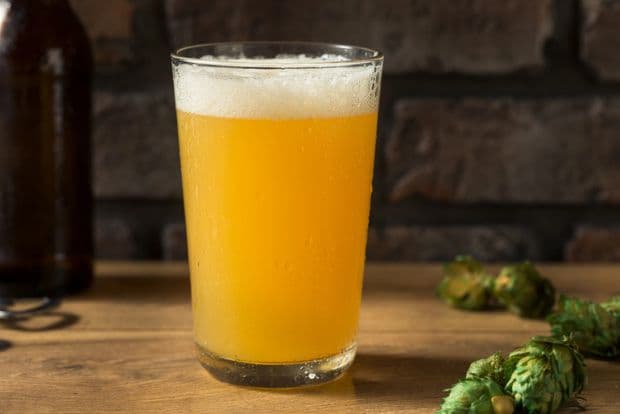

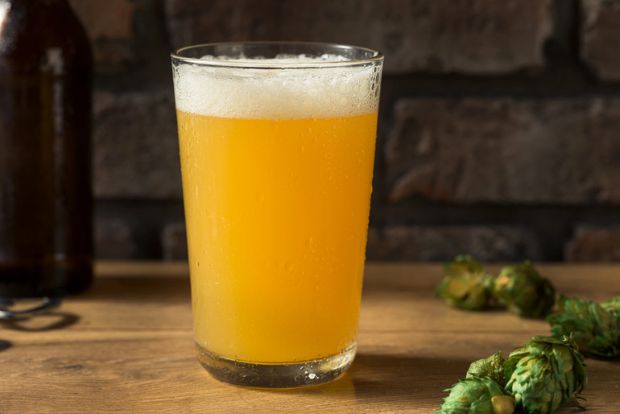
The hazy IPA is the most popular tap line you’ll find in a taproom in America in 2026. The soft, cloudy, and fresh orange juice color style, which was once branded as a fad by purists, is the modern craft beer style. However, just behind the pillowy, tropical-emptying glass, there’s a whole lot of science. What makes a world-class hazy IPA a world-class hazy IPA and not a “forgettable” hazy IPA? One simply needs to pay attention to the details and techniques involved, as well as a handful of ingredients.
The ascendance of the style comes along with a wider evolution in the way people are spending their time at home, when a good craft beer is just as present as streaming, game nights, and all other forms of digital entertainment. In Canada, that same unhurried at-home culture has fed interest in licensed entertainment platforms such as Betiton, a regulated online casino site that advocates responsible play without taking precedence. Beers, typically, however, are the substance of the night, so it’s important to know what makes a truly great one.
It Starts With the Grain
The starting point of every great hazy IPA is long before the hops make it to the fermenter: the grain bill. With a generous amount of oats and wheat, a hazy style is a soft, almost creamy base that provides a foundation, while a classic West Coast IPA is based on clean pale malt.
The thickening properties of flaked oats and malted wheat (and sometimes flaked barley) add proteins and beta-glucans, which thicken the body, round the texture, and help hold the particles that create the signature cloud of the beer. Many brewers use them in as high a percentage as 30 percent or higher of the grist. Most importantly, there isn’t much, if any,y crystal or caramel malt – this isn’t about a sweet and toffee beer, it’s about a pale and juicy beer.
Hops Do the Heavy Lifting
If grain builds the body, hops write the headline. A hazy IPA is an aroma-first beer; the focus moves away from boil-kettle bitterness, and more towards late additions, whirlpool charges, and above all, heavy dry hopping. The best examples are double dry-hopped, often with multiple pounds of hops per barrel.
Fruit-forward varieties are speaking up: Citra, Mosaic, Galaxy, and Nelson Sauvin are providing the mango, pineapple, citrus,s and stone-fruit notes that drinkers are seeking. To get the brightest and juiciest, hops are “bibtotransformed” through an ingenious process in which hop compounds are introduced during the continued active fermentation of the yeast, which transforms them into even more aromatic.
The Quiet Power of Yeast
The ingredient in the glass that is the least talked about is yeast. Hazy IPAs are generally made with English ale yeasts like the renowned London Ale III, which produces fruity, soft esters and, crucially, doesn’t clear the beer. Low flocculation prevents protein dropping bright, as well as hop polyphenols and yeast dropping out of the stable haze. When the Brewers Association style guidelines formally recognized juicy and hazy ales in 2018, this combination of estery yeast, soft water, and adjunct grains was exactly what they were describing. Get the yeast wrong, and the beer either clears up or turns harsh; get it right, and it stays soft and luminous.
Technique Is Everything
Ingredients only get a brewer halfway. The pH has been adjusted to get the water chemistry in favor of chloride, and this adds a softness to the blends that withers crispness and tannic bite in favor of a round, soft mouthfeel. The concentration of IBUs remains on the lower side to allow the fruit to be expressed, typically below 40 IBUs. But the greatest threat is air. Hazy IPAs are notorious for being hard on the hands, and doing the job right by transferring, packaging, or storing them can take a lot of the funk out of these super-sparking beers. The very best breweries fret over controlling a cold chain that is tight and keeps oxygen out from tank to glass. For a deeper tour of how different styles are built, American Craft Beer’s beer style guide is a useful companion.
Freshness Seals the Deal
Last but not least, the rule that all hazy fans learn quickly is to drink it fresh. The hazy IPA actually gets worse with age. It’s often just the canning date that makes the difference between a transcendent pint and a mediocre one; those fine dry-hopped aromatics fade within weeks. At the conclusion, all things are made better with a great hazy IPA – soft grains, mountains of hops, a good expressive yeast, oxygen-less handling, and a brewery that understands the importance of getting it to your hands when it’s singing. Know those, and it’s only a matter of choosing the right glass.

© 2012 - 2026 • AAmerican Craft Beer, LLC • All Rights Reserved